
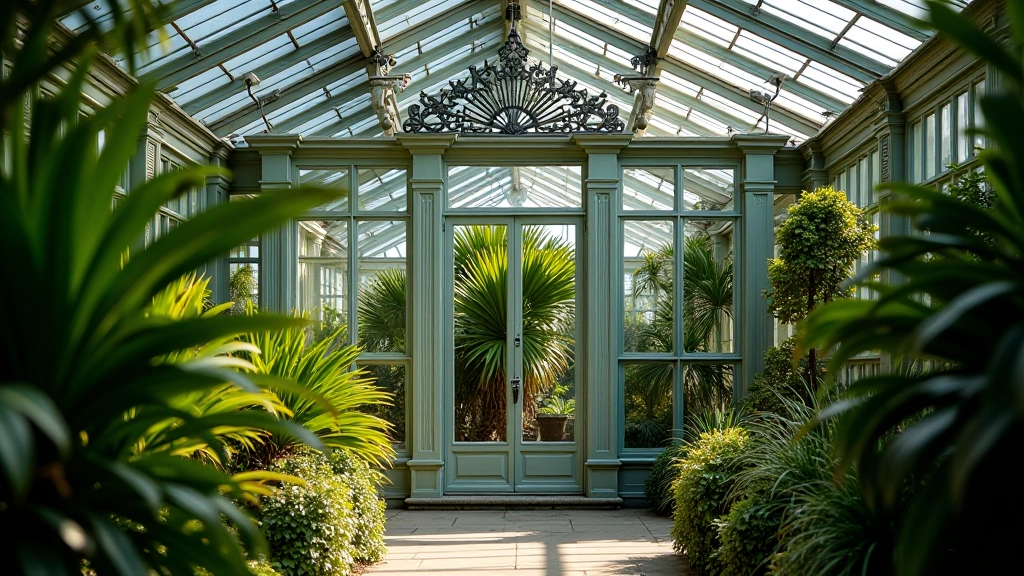
A Brief History of the Palm House
Learn how the Palm House was built in the 1880s and why it remains one of Ireland's most impressive horticultural structures.
Three scenic paths through the arboretum that won't tire you out. All feature benches for resting and plenty of shade.
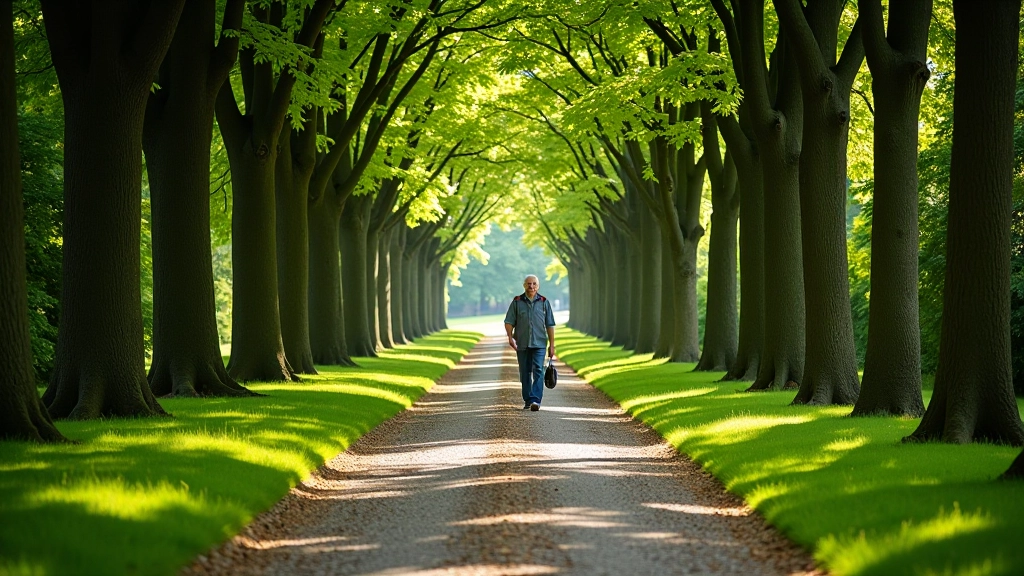

Walking through an arboretum isn't like hiking. You're not pushing yourself to reach a summit or logging kilometers on a fitness tracker. Instead, you're moving at your own pace through curated collections of trees, stopping whenever something catches your eye. That's what makes arboretums so appealing for people who want gentle exercise without pressure.
The National Botanic Gardens Glasnevin's arboretum offers something special for seniors and anyone seeking a leisurely walk. Well-maintained paths, strategic resting spots, and thoughtful shade mean you can spend an hour or three hours here without exhaustion. We've mapped out three routes that let you control the distance while experiencing the real magic of the gardens.

Each path offers different terrain and distances. Pick what suits your day.
Distance: 0.8 km (roughly 12 minutes)
This is the shortest option and arguably the most elegant. You're walking through an avenue of lime trees planted over a century ago. The canopy overhead means you'll stay cool even on warmer days. There are benches at three different points, so you can rest without completing the full loop if you'd rather just sit and watch people pass.
The path is entirely flat and paved. Perfect for first-time visitors or anyone wanting a proper stroll without commitment.
Distance: 1.5 km (roughly 22 minutes)
More varied than the lime tree route, this path takes you through mixed woodland with oak, beech, and ash trees. The terrain's still easy — gravel and packed earth — but there are gentle slopes rather than completely flat ground. You'll see different plant species throughout each season, which keeps regular visitors coming back.
There are five benches positioned at scenic spots. Most people take about 25-30 minutes if they're stopping to look at things, which is exactly the pace this route's designed for.
Distance: 2.3 km (roughly 35 minutes)
This one combines elements of the first two routes plus some additional sections. You'll experience the lime avenue, move through the woodland, and venture into less-traveled areas where you'll spot specimen trees from around the world. Don't let the distance intimidate you — it's still gentle walking on good paths.
Seven benches are scattered throughout, plus there's a small shelter near the middle if the weather turns. This route suits anyone who wants a proper outing but still wants to move at their own tempo.
The arboretum opens at 9 a.m. year-round. You'll want to arrive earlier rather than later if you're planning the extended route — you won't feel rushed and you'll have the paths quieter during morning hours. Parking's available near the main gates with accessible spaces clearly marked.
Footwear matters. The paths are well-maintained, but proper walking shoes or trainers with good grip are better than sandals, especially after rain when gravel can get slippery. The lime tree route stays relatively dry because of the dense canopy, but the woodland areas can be muddy in winter.
Bring water. There's no café at the arboretum itself (though the glasshouse buildings nearby have facilities), so a water bottle is essential, particularly during warmer months. The shade helps, but you're still moving and exerting yourself, even gently.
Spring (March to May) brings fresh green growth and early flowering trees. The lime avenue isn't dramatic in spring, but the woodland fills with bluebells and fresh foliage. Temperatures are mild, perfect for walking without overheating.
Summer's quieter than you'd expect. The canopy gets dense enough to keep temperatures noticeably cooler under the trees. This is when the shade becomes genuinely valuable. Morning walks are best — you'll avoid afternoon crowds.
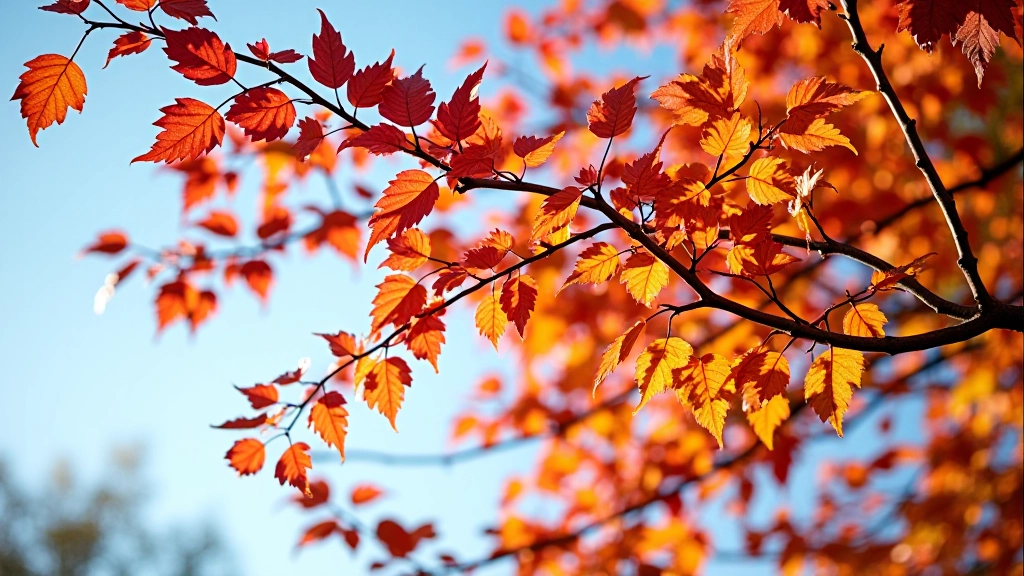
Autumn (September to November) transforms the arboretum into something genuinely spectacular. Leaves turn gold and deep red. Colors peak in late October. The paths get busier, but it's worth it for the visual experience.
Winter's often overlooked but genuinely lovely. Bare branches reveal the structure of trees — you can actually see the shape and architecture that foliage hides. It's also quietest, and the paths dry out faster after rain.
Know which path you're doing before you arrive. You can combine routes — do the lime tree loop first, rest, then add the woodland section. Mixing them keeps things interesting.
Even with shade, UV rays filter through. A light sunscreen prevents surprising burns on exposed areas. Hats are equally useful — they keep you cooler and protect your face.
The arboretum's home to various bird species. You're not rushing through, so watching for woodpeckers, nuthatches, and jays becomes part of the walk. A simple pair of binoculars adds another dimension to your visit.
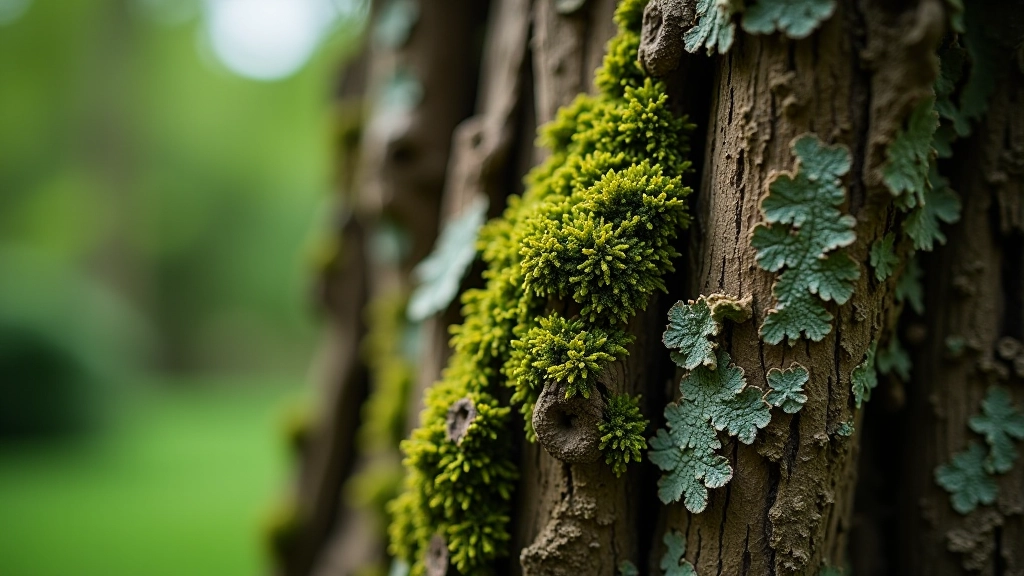
Tree bark, leaf patterns, seasonal colors — there's endless material for photos. It gives you a reason to stop and really look at individual trees rather than just walking past them.
Visit on weekday mornings for quieter paths. Weekends get busy, especially in autumn. You'll enjoy the experience more if you're not navigating around tour groups.
All three routes are accessible, but if mobility's a concern, the lime tree loop is genuinely the easiest option. Staff can advise on any specific accessibility needs when you arrive.
This guide is informational only. Walking routes and conditions can change seasonally. Always check current opening times and any path closures with the National Botanic Gardens directly. If you have mobility concerns or health conditions, consult with your doctor before undertaking any walking activity. The arboretum staff can provide real-time information about path conditions, accessibility features, and any temporary closures.
The beauty of these three routes is that they're genuinely repeatable. You could walk the lime tree avenue weekly and discover something different each time — a new bird, a flowering shrub, light hitting the canopy in a different way. That's what makes arboretums different from hiking trails. You're not conquering distance. You're building a relationship with a place.
Whether you've got thirty minutes or three hours, whether you're recovering from something or just wanting to move gently through beautiful surroundings, these paths work. Start with whichever feels right, rest whenever you need to, and let the trees set the pace.