
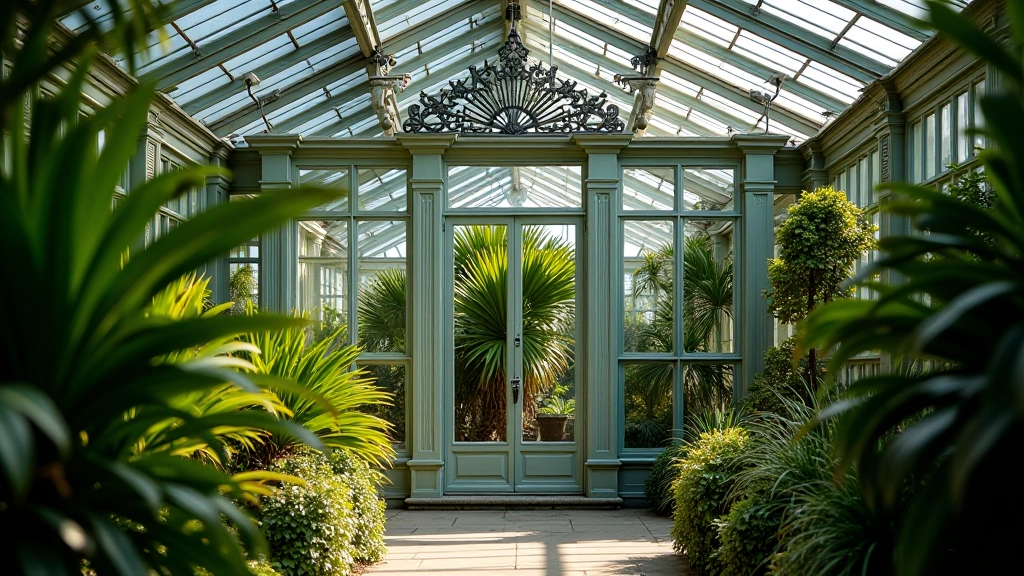
Tropical Plants You'll See Inside
Step into the warm glasshouse and discover exotic palms, ferns, and flowering plants thriving in their carefully controlled environment. We'll guide you through what grows where and why these plants flourish here.

Welcome to the Warm House
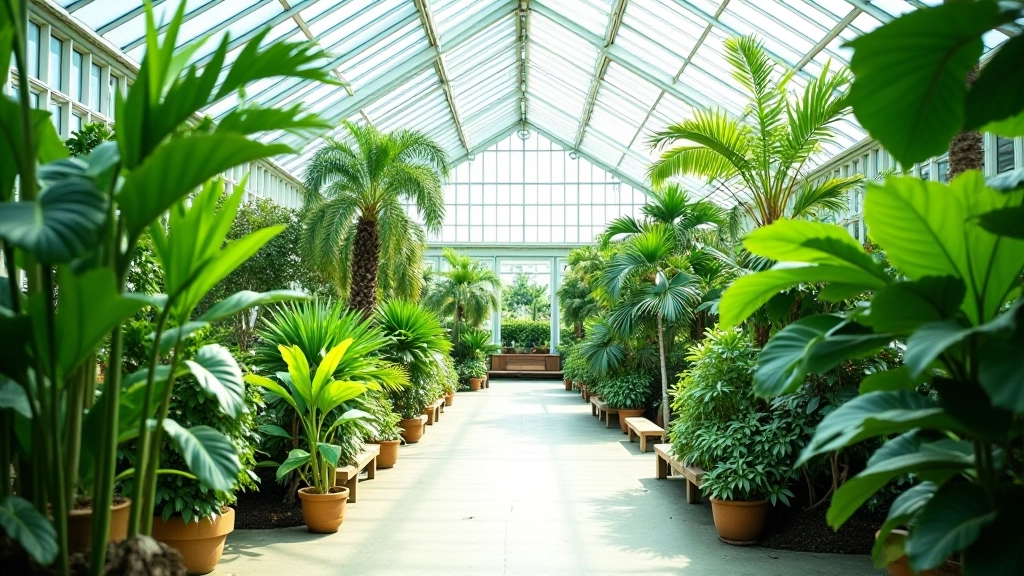
The glasshouse at Glasnevin isn't just a building — it's a living ecosystem. Inside, the temperature hovers around 18-20°C year-round, and humidity levels stay high enough to keep tropical plants thriving even on Dublin's dampest winter days. You'll walk through different zones, each one mimicking a specific climate from around the world.
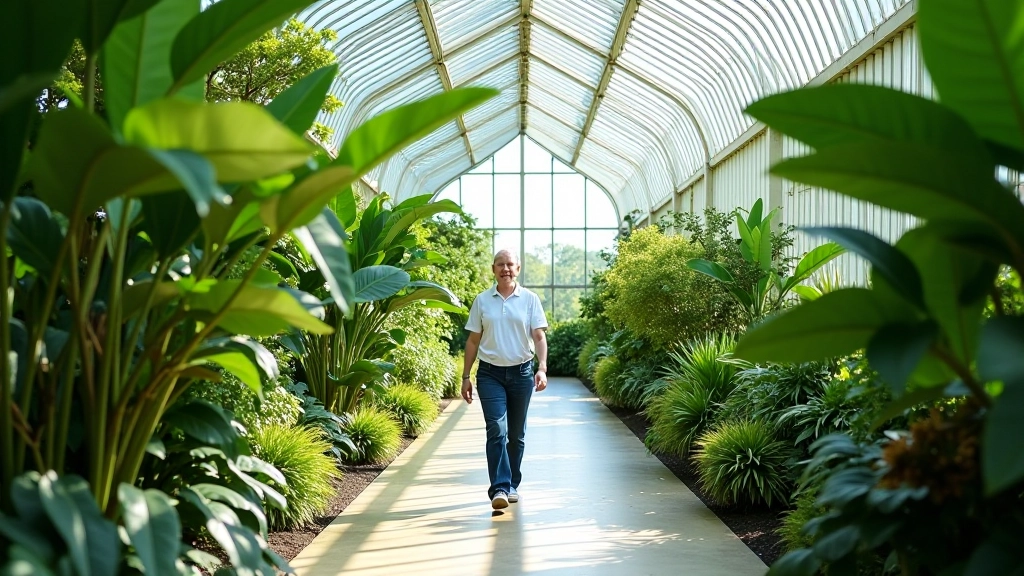
What's remarkable is how accessible it all is. There's no climbing, no scrambling through dense undergrowth. You're literally walking through a climate-controlled garden at ground level, with clear paths and plenty of spots to pause and take in what you're seeing. It's perfect if you're not as mobile as you used to be — we've seen visitors in their 80s spending hours here just exploring.
01
Palms: The Showstoppers
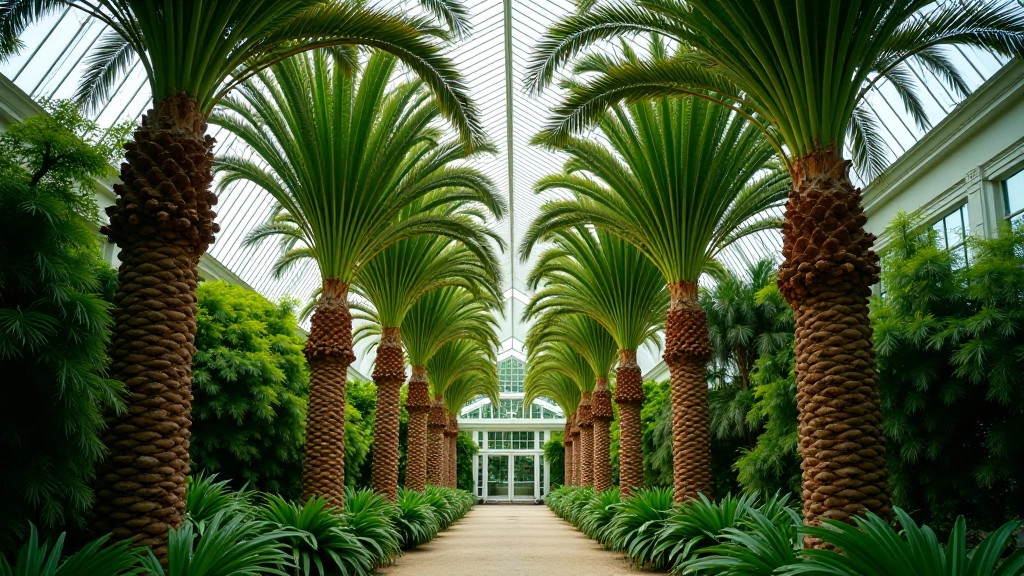
You can't miss the palms. They're everywhere — tall, dramatic, with fronds that fan out overhead. The Canary Island Date Palm is one of the most impressive, with leaves reaching 4-5 meters long. It looks like something from a movie, honestly.
But there's more than just one type. The Parlor Palm is shorter and more delicate, perfect if you want something you can actually see the detail on. The Sago Palm — which isn't technically a palm at all, despite the name — has this beautiful geometric pattern to its fronds that looks almost architectural. You'll find yourself stopping to photograph it from different angles.
The thing about palms in a glasshouse is they're not struggling to survive. They're genuinely thriving. The soil here is rich, the humidity is right, and there's enough light coming through the glass roof that they grow strong and healthy. That's what makes the difference between a palm that looks droopy and one that looks confident and alive.
02
Ferns: The Delicate Detail
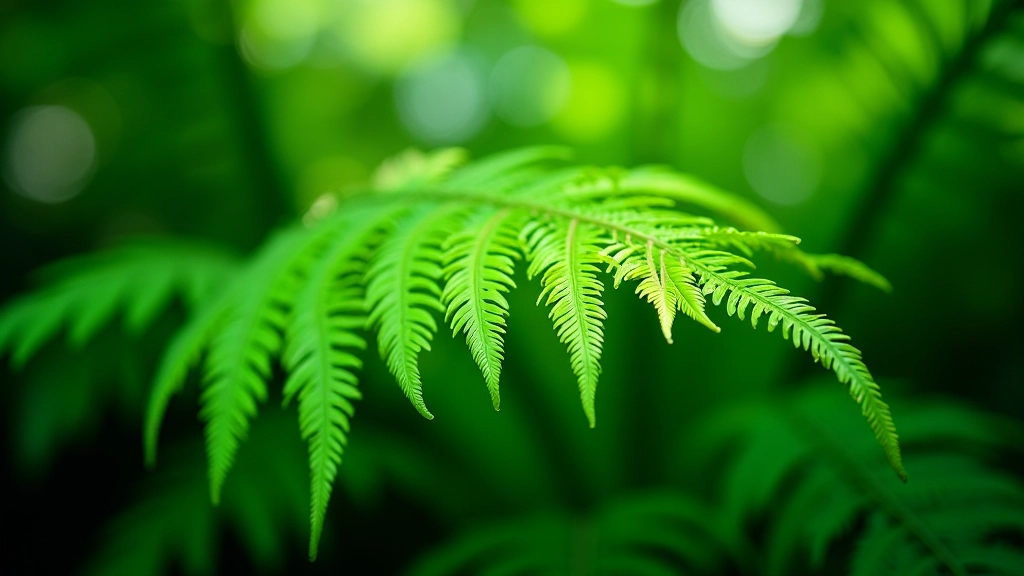
Ferns are the opposite of palms in a lot of ways. Where palms demand attention with their sheer size, ferns reward close looking. You'll see Tree Ferns with trunks like palm trunks but with these impossibly delicate fronds spreading out at the top — it's almost impossible to believe something so detailed is alive.
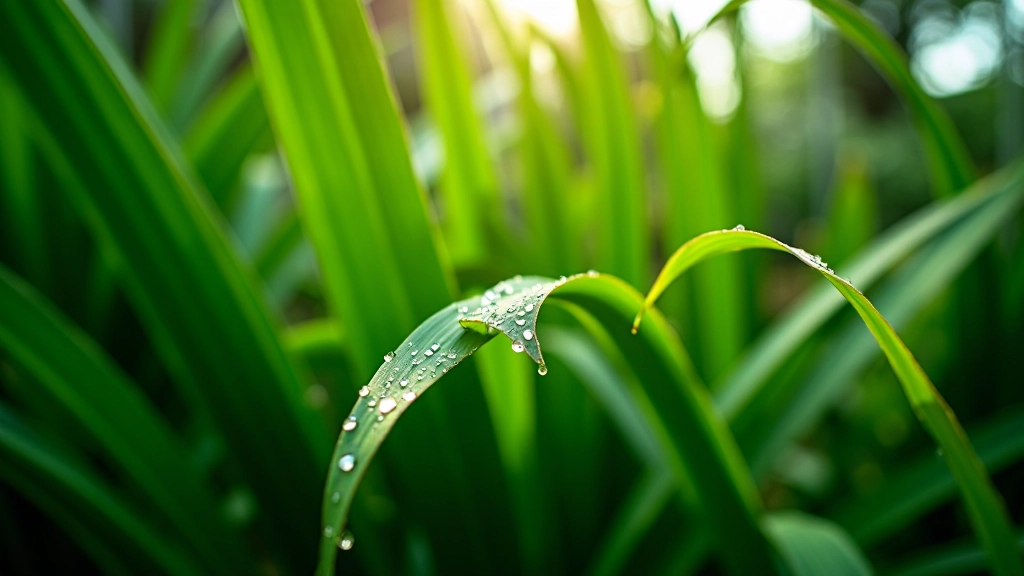
The humidity in the glasshouse is actually what makes ferns possible. They're not like succulents that store water. Ferns absorb moisture through their fronds, and in Dublin's dry climate, they'd never survive outdoors. But inside? They're perfectly happy. You'll often see them with water droplets on them from the regular misting that keeps everything damp.
Walking past a really mature fern, you'll notice the fronds are arranged almost in layers, creating these deep shadows underneath. It's a natural effect, but it makes the whole plant look more dramatic and textured than you'd expect from something so delicate.
03
Flowering Plants: Unexpected Bursts of Color
If you're expecting the glasshouse to be all green, you're in for a pleasant surprise. There are flowering plants scattered throughout, and they add real visual interest to the space. The Strelitzia — also called the Bird of Paradise flower — is probably the most striking. Orange and blue petals that genuinely look like a tropical bird in flight. It's not subtle, but it shouldn't be.
You'll also find Anthuriums with their waxy, heart-shaped flowers in shades of pink, red, or white. They flower reliably because of the consistent warmth, so there's always something blooming somewhere. The scent isn't always obvious, but if you lean in close, some of them do have a subtle fragrance.
What's interesting is how the staff manages this. These aren't plants that naturally flower on the same schedule. They need different temperatures, light levels, and moisture patterns to trigger flowering. But through careful management, the glasshouse maintains a rotation where something's always in bloom. It takes real horticultural knowledge to pull off.

Pro Tips for Your Visit
- The glasshouse is warmest in the afternoon. Morning visits mean slightly cooler air and clearer photography light.
- Wear layers. The temperature difference between outside and inside is dramatic, and you'll want to adjust.
- Give your eyes a moment to adjust. The humidity creates a haze that looks like mist — this clears in about 30 seconds once you're inside.
- The benches scattered throughout are there for a reason. Take a seat and just observe. You'll notice details you'd miss walking past.
The Lesser-Known Plants
Beyond the obvious showpieces, there are plants that don't grab attention immediately but reward curiosity. The Areca Palm has this refined elegance to it — thin stems with delicate yellow-green fronds. It's not as dramatic as the Canary Island Date, but it's equally beautiful in a different way.
Then there's the Cycad section. These are ancient plants — they've been around since the dinosaurs, genuinely. They grow incredibly slowly, and the ones you're seeing in the glasshouse might be decades old. There's something special about standing next to a living thing that's been growing for 30, 40, or 50 years. It puts time into perspective.
The staff can tell you stories about individual plants. Some of them have been here since the glasshouse was renovated. They've watched these plants grow from small specimens to the impressive specimens you see today. That history, that connection, makes the whole experience richer than just looking at pretty plants.
Important Note
This guide is informational and designed to enhance your visit to the glasshouse. Plant species, growing conditions, and specific details may vary based on seasonal changes and horticultural management practices. For detailed information about any plant or accessibility accommodations during your visit, we recommend checking with the Glasnevin Gardens visitor services directly.
Making the Most of Your Time
The glasshouse isn't something you need to rush through. There's no "must-see" checklist, no "you'll miss the best bit" moments. It's designed for wandering, for pausing, for letting your eyes adjust to the humidity and taking in the sheer variety of life packed into one space.
Whether you're interested in the plants themselves or just want somewhere warm and beautiful to spend an afternoon, the glasshouse delivers. You'll come out with damp hair, a satisfied feeling, and probably a few plant identification questions you'll want to research later.
That's what makes it special. It's not just a collection of tropical plants. It's an experience that connects you to places and climates you might never visit, and it does it all within walking distance from Dublin city center.
Explore More