
Planning Your Visit: Practical Tips
Everything you need to know about timing, accessibility, facilities, and how to make the most of your day at Glasnevin.


Before You Go
A visit to Glasnevin doesn't need to be complicated. Whether you're coming for the first time or returning after years away, a bit of planning goes a long way. We're talking about choosing the right time of day, knowing where the facilities are, understanding the terrain, and making sure you've got comfortable shoes.
The good news? The gardens are designed with everyone in mind. You won't find steep climbs, and most paths are well-maintained. Still, there are tricks to knowing when to arrive, where to rest, and how to pace yourself so you actually enjoy the experience instead of feeling rushed.
Quick Facts
- Open daily, 9 AM to sunset
- Free admission to grounds
- Multiple cafés throughout
- Accessible paths and seating
01 Timing Your Visit
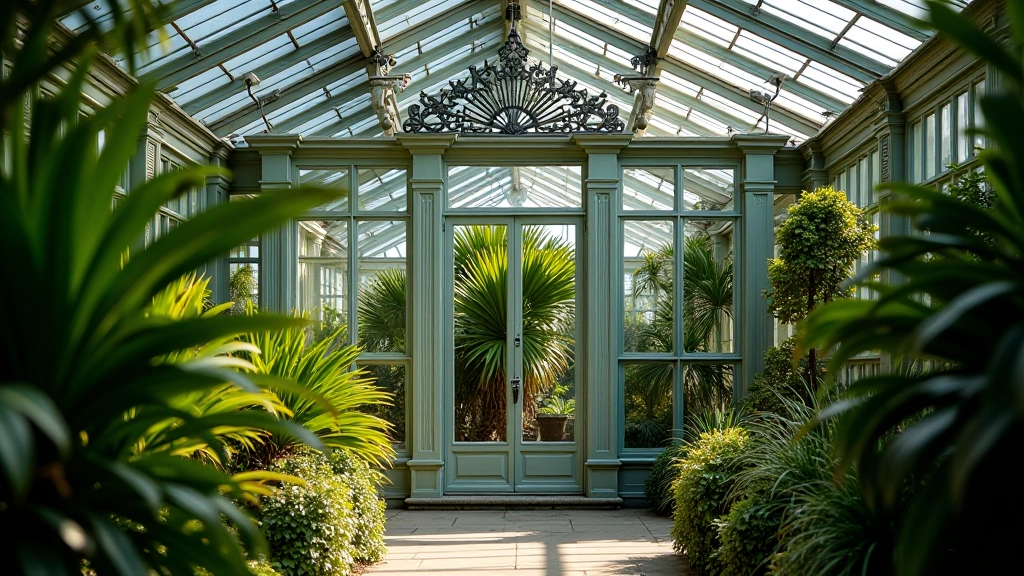
Here's what we've learned from years of visitors: the best times aren't always when you'd expect. Early mornings—say, 9 to 10:30 AM—are quieter. You'll have more breathing room, fewer crowds around the Palm House, and the light's beautiful for photography if that's your thing.
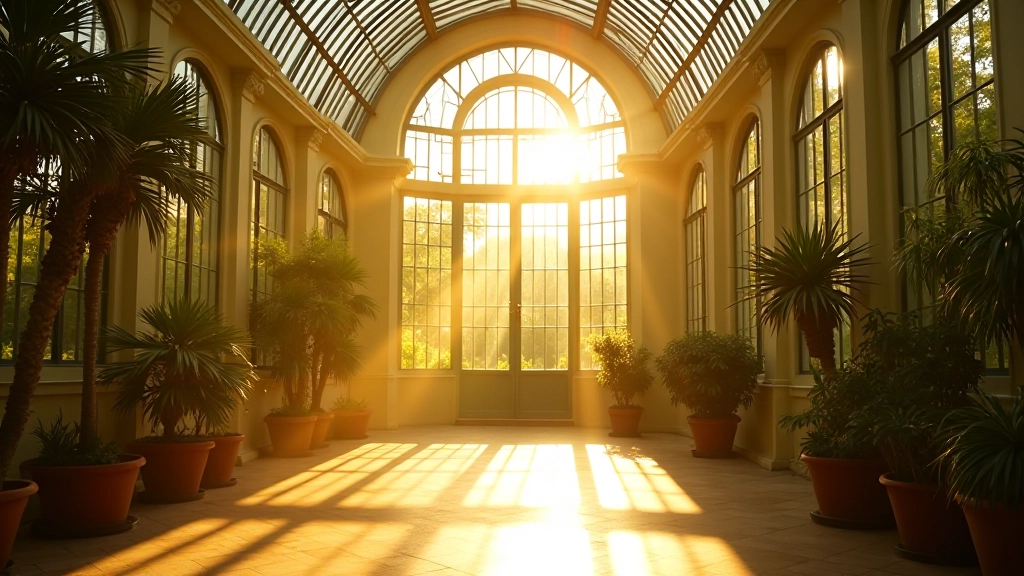
Late afternoons, especially between 3 and 5 PM, are also pleasant. The gardens shift into golden hour light, and most school groups have moved on. Avoid midday on weekends if you're looking for peace—that's when families arrive and the cafés get busy.
Spring and early summer (April through June) bring the best flowers. Winter's quieter but colder—bring layers. If you're sensitive to crowds, Wednesday and Thursday mornings are genuinely your sweet spot.
02 Getting Around
Don't let anyone tell you the gardens aren't accessible. They're genuinely one of the better-maintained heritage sites in Dublin for mixed ability groups. Main paths are paved—proper paving, not gravel—and most areas are flat or gently sloping. The Palm House itself has ramps and accessible entrances, though you'll need to ask staff for directions to some.
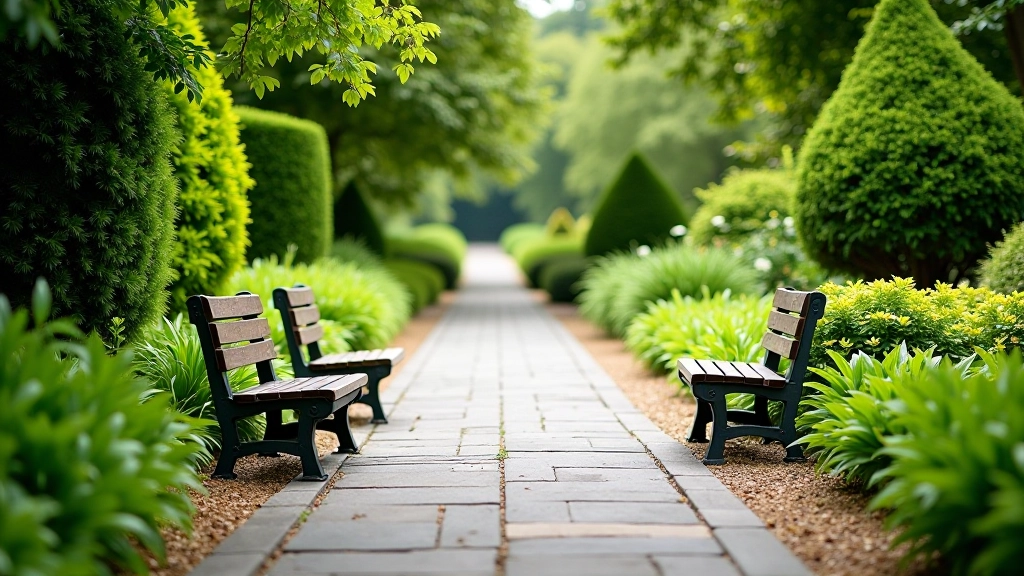
Here's the real thing: benches. There are benches everywhere. Like, seriously—you're never more than a few minutes' walk from a place to sit down. Many have armrests, which makes a genuine difference. The Curvilinear Range (that's the glasshouse complex) has seating inside, which is brilliant if the weather turns.
Wheelchairs and walkers are fine. The terrain's stable enough that you won't get stuck. If you're uncertain about a specific route, the staff at the visitor center are helpful—just ask. They know which paths work best for different mobility levels.
03 What's Available
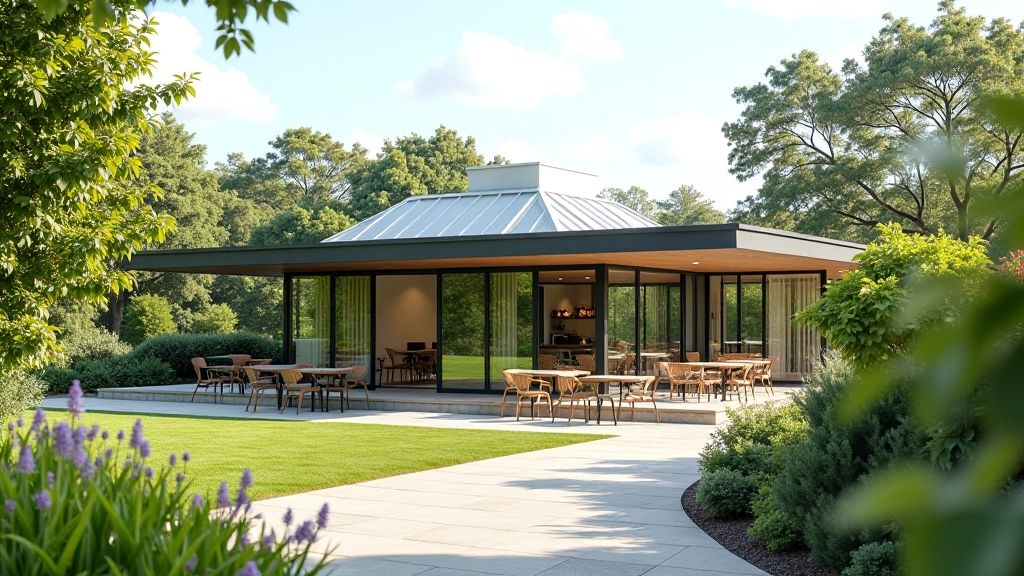
Facilities here aren't luxurious, but they're practical. There are toilets near the main entrance and inside the Palm House. The visitor center has a small café—decent coffee, light sandwiches, nothing fancy. It's open during regular hours and gets busy around lunchtime, so if you want to grab something, go earlier rather than later.
Water fountains are scattered around the grounds. Bring a refillable bottle. There's a gift shop if you want to pick up a plant guide or some seeds to take home. The shop's modest but has genuine stuff—not the typical tourist tat.
Phone signal works throughout most of the gardens, so you won't be completely disconnected. But honestly? That's part of the appeal. Come to actually look at things, not scroll.

04 Planning Your Route
Don't try to see everything in one visit. Seriously. The gardens cover 19 hectares. That sounds manageable until you're actually walking it. A sensible visit covers maybe 40% of the site, and you'll still feel like you've done something.
Start with the Palm House—it's the main attraction and it's climate-controlled, which is nice if the weather's iffy. Spend 45 minutes there, minimum. Then pick either the Arboretum or the Rose Garden, not both. The Arboretum takes longer but it's quieter. The Rose Garden's more compact and showy, especially May through July.
Grab a map at the visitor center. They're free and actually useful. The staff can suggest a loop that matches your pace. Don't feel rushed. The whole point is to slow down, sit on a bench, and notice things. That's what gardens are for.
Before You Leave Home
What to Wear
Comfortable walking shoes—proper shoes, not casual trainers. The paths are good but you're still on your feet for a couple hours. Bring layers. The glasshouses are warm, the gardens are open, and Dublin weather changes fast. A light jacket or cardigan works year-round.
What to Bring
Sunscreen if it's sunny—you're outside more than you'd think. A refillable water bottle. If you're interested in plants, bring a small notebook. The gift shop sells plant guides, but having something to jot down names you're curious about is handy.
Parking & Transport
There's a car park on-site, though it fills up on weekends. Dublin Bus routes 4 and 9 stop nearby if you're coming from the city center. Parking costs a few euros. Arrive by 10 AM if you want a good spot without stress.
Duration
Budget 2.5 to 3.5 hours for a relaxed visit. That's Palm House plus one other area, with breaks included. Rushing through defeats the purpose. If you're bringing kids, add another hour.
Make the Most of It
The real secret to enjoying Glasnevin isn't some hidden route or insider knowledge. It's just going with realistic expectations and giving yourself time. Pick a quiet morning, wear comfortable shoes, sit on a bench for 15 minutes without checking your phone, and look at what's actually around you. That's it. That's the whole thing.
The gardens have been here since 1795. The Palm House since the 1880s. They're not going anywhere. You don't need to sprint through them. Bring someone you like, or go alone if that's your preference. The point isn't the destination—it's the time you spend noticing things. And Glasnevin's designed perfectly for that kind of visit.
Explore More About Glasnevin
Ready to dive deeper into what you'll discover? Browse our other guides on the Palm House history, walking routes, and tropical plants.
Important Information
This guide provides general information about visiting Glasnevin Gardens based on typical conditions and availability. Gardens hours, facilities, and accessibility features may vary seasonally or change without notice. For current opening times, admission details, and any specific accessibility accommodations you may need, we recommend contacting Glasnevin Gardens directly or visiting their official website before your visit. Conditions on paths and facilities can be affected by weather. Always check current information to ensure your visit goes smoothly.
Related Articles