A Brief History of the Palm House
How the Palm House was built in the 1880s and why it remains one of Ireland's finest examples of Victorian glasshouse architecture.

Building a Victorian Dream
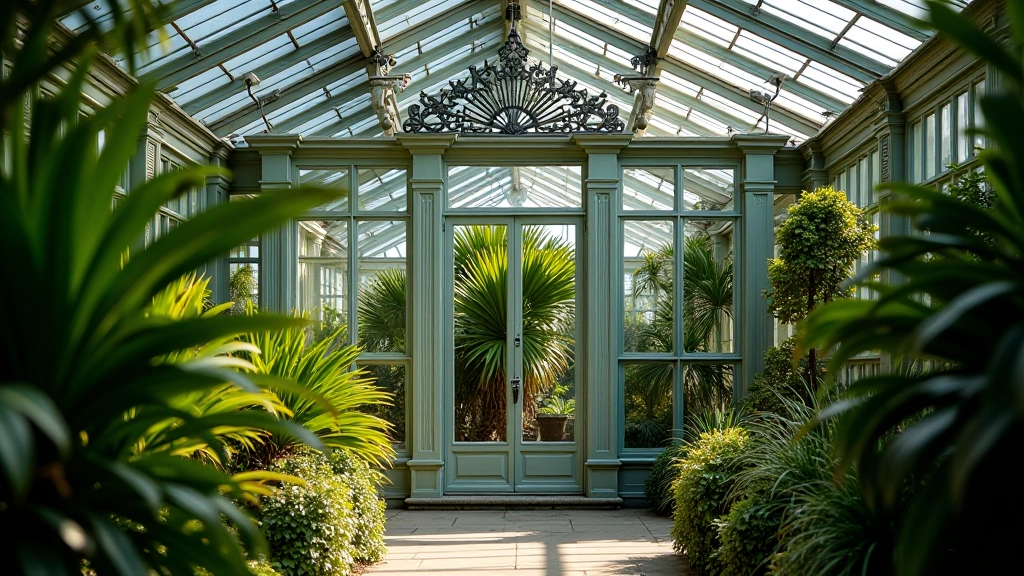
The Palm House didn't just appear in Dublin overnight. It's the result of ambitious vision and careful planning that started in the 1880s. The architects and engineers who designed it weren't just creating a building — they were constructing a controlled environment that could keep tropical plants thriving in an Irish climate.
What makes the Palm House special isn't just what's inside. It's how it was built. The curved glass panels, the iron framework, the ventilation systems — every detail was engineered to support life in the warmest, most humid conditions possible. For senior visitors today, it's a remarkable place to experience genuine Victorian engineering and horticulture.
From Concept to Reality
The key milestones in the Palm House's construction and development.
01
1880s Planning & Design
The initial designs for the Palm House emerged from the vision to create a world-class collection space for tropical plants. Engineers studied existing glasshouses across Europe to determine the best approach for Dublin's climate. The curved glass roof design became the signature feature — it'd allow maximum light penetration while maintaining heat retention through the Irish winters.
02
Construction Phase
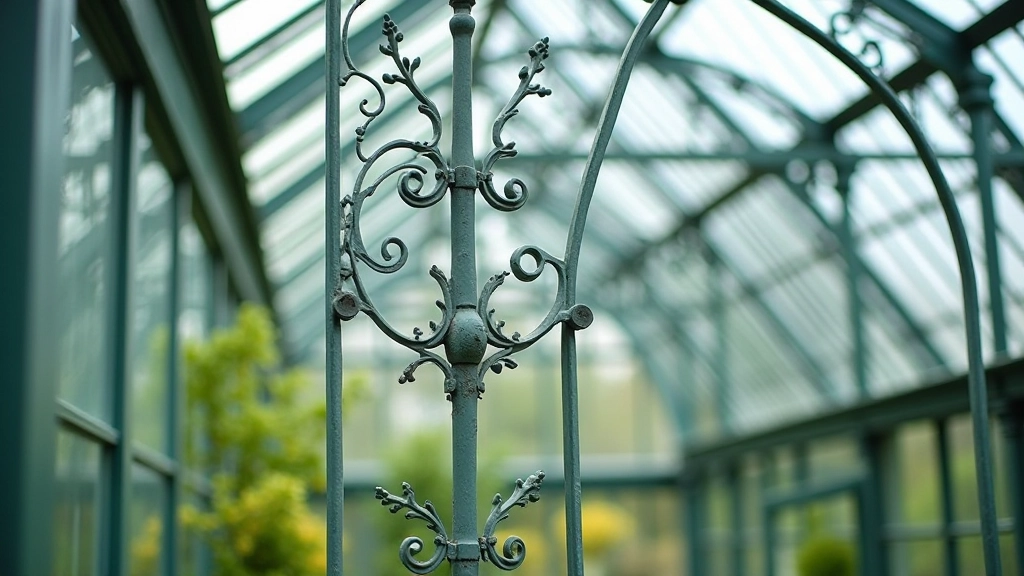
Building the structure was no small feat. Workers assembled over 2,000 individual glass panes, each fitted into an intricate iron framework. The heating system relied on cast-iron pipes carrying hot water from external boilers — this was cutting-edge technology for the time. Every joint was carefully sealed to maintain the warm, humid environment tropical plants need.
03
Opening & Plant Collection
Once the structure was complete, botanists began collecting specimens from tropical regions. They sourced palms from Africa, Asia, and South America. The collection grew steadily — by the early 1900s, the Palm House held over 500 different species. Visitors were amazed by the exotic plants and the engineering feat that made growing them in Dublin possible.
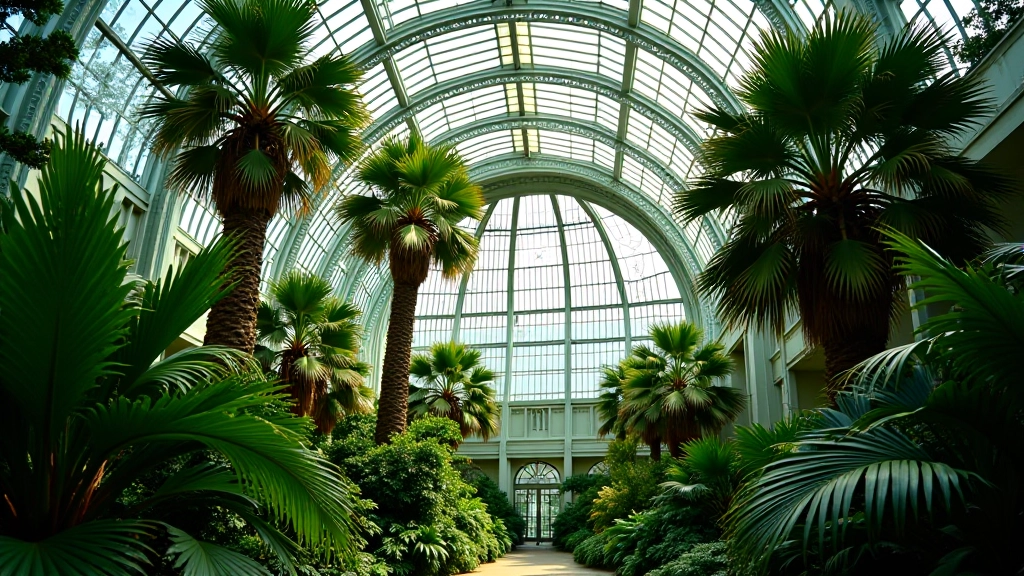
The Engineering Behind the Glass
What you see when you visit isn't just pretty — it's purposeful engineering. The curved glass panels aren't random. They're positioned to capture maximum sunlight throughout the day while the shape itself helps retain heat. The iron framework supports massive glass weights while staying thin enough not to block too much light.
The heating system is particularly clever. Hot water circulates through pipes embedded in the walls and floor, creating an environment that stays warm even when Dublin temperatures drop. There's also a sophisticated ventilation system — those louvers and openings you might notice aren't decorative. They regulate temperature and humidity, which are absolutely critical for keeping tropical plants healthy.
Restoration work in recent years has been careful to preserve the original materials and techniques. Craftspeople have replaced damaged glass panes with replicas that match the original specifications. The iron framework's been repainted using period-appropriate methods. It's restoration work that respects the 1880s original while ensuring the structure'll last another 150 years.
Why This Building Matters Today
The Palm House isn't a museum piece gathering dust. It's a living, breathing collection that continues to serve its original purpose. The plants inside are actively cared for by trained horticulturists. They're propagated, studied, and preserved. Some species you see here are quite rare in cultivation — the Palm House is playing a genuine conservation role.
For visitors — especially seniors — the Palm House offers something special. It's warm, which makes it comfortable during colder months. The high humidity is actually good for your skin and respiratory system. You can spend hours wandering through without feeling rushed, and the tropical environment creates a genuinely different experience from being outdoors in Dublin.
The Palm House stands as testament to Victorian ambition and engineering skill. Every detail — from the glass curves to the heating pipes — was designed with purpose. That's why it's remained largely unchanged for over 140 years.
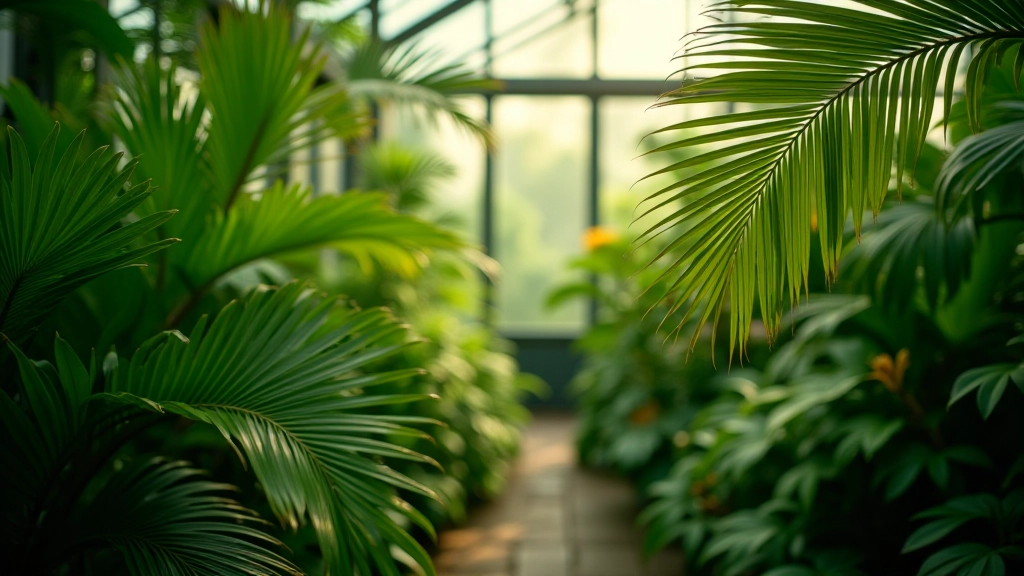
A Living Legacy
When you walk into the Palm House, you're stepping into history. Not just the history of a building, but the history of how humans learned to engineer environments that support life. The 1880s engineers who designed this space didn't have computers or modern materials. They relied on observation, mathematics, and craftmanship.
What they created has outlasted them by well over a century. The same curved glass lets light in. The same iron framework holds it all up. The same basic heating principles keep the plants warm. That's remarkable engineering.
For seniors planning a visit, the Palm House is more than just a pleasant afternoon. It's a chance to experience genuine Victorian innovation. You can see how people solved problems without modern technology. You can walk among plants that'd be impossible to grow outdoors here. And you can appreciate the craftsmanship that went into every pane of glass and every iron joint.
Ready to explore more about visiting? Check out our practical guide to planning your visit to the gardens.
Planning Your Visit: Practical TipsAbout This Article
This article provides educational information about the Palm House's history and architecture. While we've made every effort to ensure accuracy, historical records vary regarding exact dates and specifications. For official information about opening hours, admission, accessibility facilities, and current conditions, please visit the National Botanic Gardens Glasnevin website or contact them directly. This content is intended to enhance your understanding and appreciation of this historic structure.